

June 26, 2026
Computer-Use AI Is Ready for One Boring Workflow
Executive summary
Computer-use AI moved from demo territory into the mainstream platform stack this week. Google introduced computer use as a built-in tool in Gemini 3.5 Flash, giving developers a model that can see, reason, and act across browser, mobile, and desktop environments. That is a real operating shift for business teams.
Pick one boring, repeatable workflow and make it measurably better.
What changed
Google says computer use is now native in Gemini 3.5 Flash, after previously existing as a standalone computer-use model. The company also describes enterprise safeguards for sensitive actions and prompt-injection detection, including explicit user confirmation for sensitive or irreversible actions and automatic task stopping when indirect prompt injection is identified.
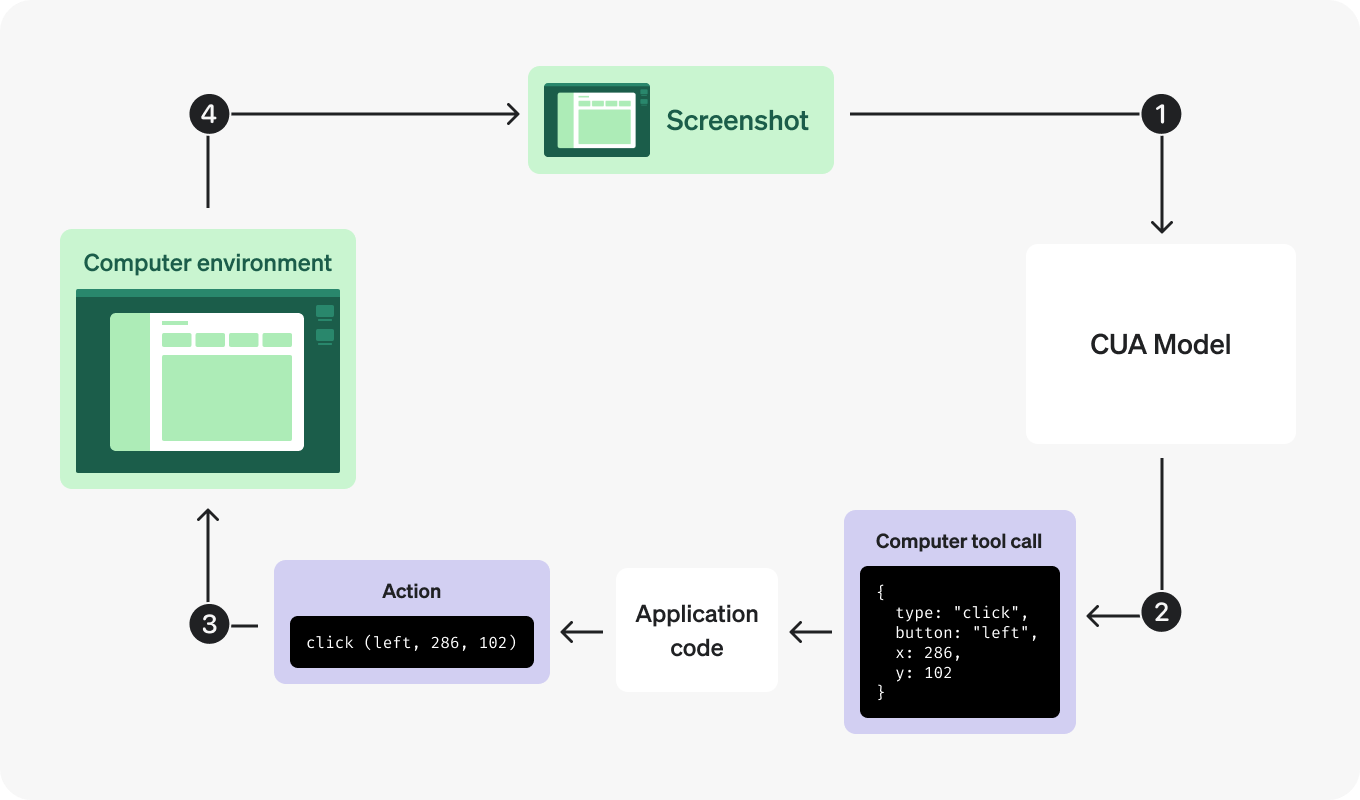
That matters because computer-use AI is different from chat. A chatbot gives advice. A computer-use agent can click through software, navigate a browser, inspect pages, and complete steps across tools. In plain English, the model is moving closer to doing the work, not just explaining the work.
GitHub is showing a similar pattern in developer workflows. GitHub made the redesigned Copilot CLI terminal interface generally available, putting AI assistance directly into terminal-based GitHub workflows. A day later, GitHub said Copilot Free and Student plans would use automatic model selection by default, with Copilot choosing the model for the task instead of asking users to pick manually.
The direction is clear: AI is becoming less of a separate destination and more of an execution layer inside everyday work surfaces.
The mistake mid-market teams will make
Most companies will respond to this with tool sprawl. Someone will test a browser agent. Someone else will try a coding agent. A third team will ask if AI can update a CRM record, reconcile a spreadsheet, or summarize a support queue.
All of that energy is useful. It is also easy to waste.
The better question is not, "Which agent should we buy?" It is, "Which workflow deserves an agent?"
Computer-use AI is strongest when the work has three traits:
- The workflow is repeated often enough to matter.
- The task has clear inputs, outputs, and stopping points.
- A human can quickly review whether the result is right.
That is why the first use case should be boring. Boring workflows have visible steps. Visible steps can be measured. Measured work can improve.
Start with one workflow lane
For a mid-market team, the first computer-use AI pilot should be a workflow lane, not a department-wide transformation project.
Good starter lanes might include:
- Turning a sales call summary into a draft CRM update.
- Pulling weekly competitor changes into a short executive brief.
- Converting support themes into a product feedback digest.
- Checking a public web page for changes and drafting a response checklist.
- Preparing a first-pass operations report from known internal systems.
The point is not full autonomy. The point is to prove whether AI can reliably reduce manual switching, produce better first drafts, and leave a cleaner review trail.
This is where AI Experts usually separates the winners from the experiment collectors. Through AI Experts SuperHumans, teams build the habits and workflow judgment to use AI well. Through AI Experts services, the same workflow can be turned into a practical implementation plan instead of another interesting demo.
A simple operating test
Before giving a computer-use agent more responsibility, run this five-question test:
- What exact workflow will it handle?
- What system or page is it allowed to touch?
- What output should it create?
- What must a human approve before the result moves downstream?
- What evidence will prove the workflow is faster, cleaner, or more consistent?
If the team cannot answer those questions, the agent is not ready for the workflow. If the team can answer them, the pilot is probably specific enough to learn from.
Practical takeaway
Computer-use AI is not just another model update. It is a shift toward AI that can operate inside the same messy tools people use every day.
The companies that benefit first will not be the ones that buy the most agents. They will be the ones that pick one useful workflow, make the rules visible, measure the output, and improve from there.
That is not glamorous. It is just how real adoption gets built. Annoyingly effective, like most good operations work.
Sources
References

Written by Lucas Erb
Founder of AI Experts