

January 11, 2025
How AI and Machine Learning Are Revolutionizing Business in 2025
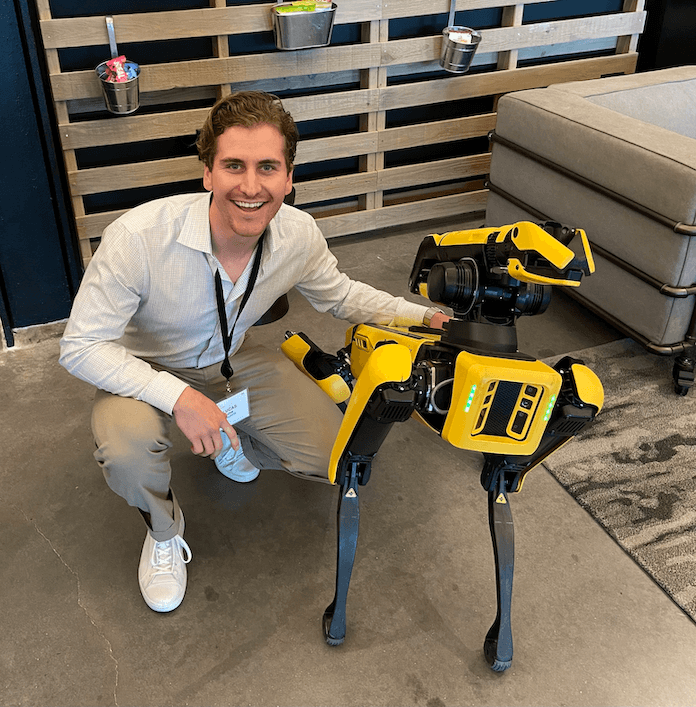
The year 2025 has arrived, marking a pivotal moment in the evolution of artificial intelligence (AI) and machine learning (ML). As we navigate this new era, the integration of these technologies is reshaping how businesses operate, innovate, and compete. Let's explore the key developments and predictions shaping AI and ML in 2025.
Agentic AI: Autonomous Problem Solvers
One of the standout trends of 2025 is the rise of agentic AI—AI systems capable of autonomous reasoning and task execution. According to Gartner, agentic AI represents the next frontier, where AI can independently make decisions, orchestrate complex workflows, and take purposeful actions to meet objectives. This evolution promises to elevate productivity across industries by enabling systems to operate with minimal human intervention.
Multimodal Models and Industry Transformation
While 2024 set the stage for advancements in multimodal models—AI systems that process text, images, and audio simultaneously—2025 is poised to see their widespread application. Forrester analysts highlight that these models will empower industries like healthcare, retail, and media by enabling richer, more intuitive user experiences. Imagine AI that not only answers questions but also understands the nuances of a photo you share or a voice query you speak.
From Experimentation to Strategic Deployment
Businesses are shifting from experimental AI projects to strategic, full-scale deployments. According to Deloitte, enterprises are consolidating their AI efforts to achieve measurable outcomes, focusing on areas like operational efficiency and customer engagement. This maturity in AI adoption underscores the need for robust governance frameworks to ensure ethical and secure use.
Addressing the AI Talent Shortage
The demand for AI and ML expertise continues to outpace supply. A McKinsey report emphasizes the importance of upskilling existing workforces while attracting top-tier AI talent. Companies are also leveraging AI tools to bridge the skills gap, automating routine tasks and freeing human talent for strategic roles.
AI in Cybersecurity: A Double-Edged Sword
As AI capabilities grow, so do cyber threats. Gartner predicts that AI will play an increasingly critical role in both defending against and enabling cyberattacks. Organizations must invest in AI-powered security solutions while staying vigilant about adversarial uses of the technology.
The Ethical Imperative
With the proliferation of AI, ethical considerations remain paramount. Ensuring fairness, transparency, and accountability in AI systems is a shared responsibility for developers, businesses, and regulators. Initiatives like the EU's AI Act are setting global standards for responsible AI use.
Conclusion
The AI and ML landscape in 2025 is defined by rapid innovation and strategic deployment. As businesses embrace agentic AI, multimodal capabilities, and ethical governance, they position themselves to thrive in an increasingly automated world. The challenge lies in balancing innovation with responsibility, ensuring that AI serves as a force for good.
References

Written by Lucas Erb
Founder of AI Experts